
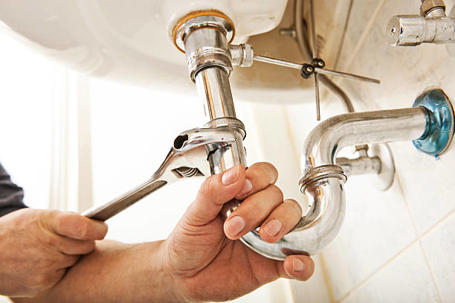
You fix things around your home all the time, so when a pipe drips or a drain slows down, it can feel natural to grab a wrench, watch a quick video, and handle the repair yourself. The idea of avoiding a service call and solving the problem on your own is appealing, especially if you are handy in other areas of the house. For some small tasks, that confidence is well placed.
Plumbing in Addison and the surrounding Chicago suburbs, however, is not always as simple as it looks online. Older galvanized and cast iron piping, additions that tie into original systems, high water tables, and harsh Illinois winters all change how well a “simple” DIY repair will hold up. A trick that seems to work in a new-construction video from another state can quickly become a leak, a sewer smell, or a flooded basement in an Addison home.
Since 2008, our family at Drip Drop Plumbing has spent more than fifteen years working inside homes across Addison, Lombard, Elmhurst, Villa Park, Glen Ellyn, Bensenville, and the Greater Chicago Metropolitan Area. We are often called in after a DIY repair has failed, so we see the same patterns repeat. In this guide, we want to show you the most common DIY plumbing mistakes we see in Addison, why they cause trouble, and how to decide what you can reasonably handle yourself and when it is safer and less expensive to call a local plumber.
Why DIY Plumbing in Addison Is Riskier Than It Looks Online
Online plumbing tutorials often make repairs look simple, but every home's plumbing system is different. Many homes in Addison have a mix of older and newer materials, such as copper, galvanized steel, cast iron, and PVC. Without understanding how these systems work together, a seemingly minor repair can lead to leaks, water damage, or more expensive problems down the road.
Local weather also plays a role. Freeze-thaw cycles, heavy rainfall, and high water tables can put extra stress on pipes, sump pumps, and drainage systems. A repair that seems successful today may fail when temperatures drop or heavy spring rains arrive.
Common DIY Plumbing Risks
- Damaging aging pipes or fittings
- Using incompatible plumbing materials
- Creating hidden leaks behind walls
- Improper drain slope or venting
- Sewer gas odors caused by incorrect installations
- Recurring clogs from poorly completed repairs
- Costly water damage from small mistakes
Plumbing is a complete system, not just a collection of pipes. Water pressure, drainage, venting, and local building codes all work together to keep your plumbing operating safely and efficiently. While some minor maintenance tasks are homeowner-friendly, larger repairs often require the experience and equipment needed to prevent bigger issues later.
When you're unsure, having a professional evaluate the problem can save time, money, and frustration while helping protect your home from unnecessary damage.
Overtightening, Cross-Threading & Loose Joints: Small Mistakes That Create Hidden Leaks
Many DIY plumbing leaks start with a connection that appears tight but is not properly sealed. Whether you are replacing a faucet, installing a supply line, or swapping out a P-trap, it is easy to assume tighter is better. In reality, overtightening can crack fittings, damage threads, or compress gaskets too much, creating leaks that may not appear right away.
Cross-threading is another common issue. If a fitting is not aligned correctly when installed, the threads can become damaged and fail to create a watertight seal. These small gaps often allow water to seep slowly into cabinets, walls, or flooring, causing damage long before the leak becomes noticeable.
Common DIY Connection Mistakes
- Overtightening plastic or brass fittings
- Cross-threading supply lines and connectors
- Damaging gaskets or compression fittings
- Leaving joints too loose to create a proper seal
- Mixing incompatible plumbing materials
- Reusing worn washers or seals
In Addison, seasonal temperature changes can make these problems even worse. As pipes expand and contract, weak connections may begin leaking, leading to warped cabinets, stained ceilings, mold growth, or damaged drywall.
Older homes can present additional challenges. Aging shutoff valves, galvanized pipes, and corroded fittings are more likely to break during a repair, turning a simple fixture replacement into a much larger plumbing project.
Basic fixture replacements may be manageable when the existing plumbing is in good condition. However, if you encounter corrosion, damaged fittings, or in-wall plumbing connections, it is often safer—and less expensive—to have a professional complete the repair before a hidden leak causes costly water damage.
Using Chemical Drain Cleaners in Older Addison Pipes
When a sink or tub starts draining slowly, reaching for a bottle of chemical drain cleaner can seem like an easy first step. These products are sold everywhere and marketed as fast solutions. What they actually do is use strong caustic chemicals to eat through organic buildup. That reaction generates heat and can be quite aggressive on the inside of the pipe, especially if the cleaner sits in one section for an extended period.
In many Addison and DuPage County homes, the drain lines serving older bathrooms, basements, and kitchens are made from cast iron or galvanized steel. Over the decades, these metals corrode from the inside, leaving them thinner and rougher than when they were installed. Pouring concentrated chemicals into these systems can accelerate that corrosion. It can also attack the joints and seals where metal connects to PVC or where toilets and tubs are sealed to the drain with wax or rubber rings.
Another problem is that chemical cleaners often only partially clear a clog. If there is a deeper issue such as a sagging section of pipe, heavy scale buildup, or tree root intrusion in a main line, the cleaner may open a small path through the blockage without addressing the real cause. Homeowners then see temporary improvement and keep using the same cleaner each time the drain slows again. Over time, the pipe walls weaken, and leaks or full backups become more likely. When we are later called to clear the line with professional equipment, residual chemicals in the water can also pose a safety risk to anyone handling or cutting into the pipe.
Mechanical clearing tools, such as a plunger or a small hand auger, are generally safer first options for simple clogs like hair in a shower drain or food at the top of a kitchen trap. However, if you notice multiple fixtures draining slowly, backups in a basement drain, gurgling sounds, or foul odors when appliances run, that points to a deeper system issue rather than a surface clog. In the older piping common around Addison, those patterns are best evaluated with proper equipment and experience. At Drip Drop Plumbing, we routinely see how repeated chemical use in these conditions leads to weakened pipes and more extensive repairs than would have been needed with an early, targeted cleaning.
Wrong Materials & Code-Blind Repairs That Fail in Chicago Suburban Homes
Another frequent DIY plumbing mistake in Addison has less to do with hand skills and more to do with material choice and layout. The internet makes it easy to order adapters, flexible connectors, and fittings that promise to join anything to anything. Some of these have appropriate uses, but when they are installed in the wrong place, or without respect for local codes, they can create slow failures that show up years later or when a buyer’s home inspector takes a close look.
A classic example is mixing copper and galvanized steel directly together without a dielectric fitting. When dissimilar metals touch in the presence of water, they can set up a small electrical reaction that eats away at the more reactive metal. In older Addison homes where partial repipes have been done over the years, it is common to see a homeowner or handyman tie new copper lines into old galvanized with the wrong type of connector. The joint may work at first, but corrosion accelerates at that connection, leading to reduced flow, rusty water, or eventual leaks.
Trap and vent configurations are another area where DIY work often conflicts with how plumbing actually needs to function. Every fixture requires a trap that holds a water seal to block sewer gas, and that trap needs air supplied by a vent so draining water does not siphon it dry. Shortcuts such as using the wrong trap type, stacking traps, or adding long horizontal runs without proper venting can allow sewer odors into the home or cause fixtures to drain slowly. These issues can be subtle. The sink may drain fine one day and then gurgle and smell the next, especially when another fixture is used.
Beyond function, local codes and permitting in municipalities across DuPage and Cook Counties require certain standards for safety. Water heater relocations, new gas lines, and reconfigured waste lines typically require permits and must follow specific rules for pipe sizing, venting, and materials. Online tutorials rarely mention these local requirements because they vary by region. A DIY installation that seems to work can become a problem during a village inspection, a home sale, or after an insurance claim, especially if an inspector finds non-compliant work behind a finished wall.
Our team at Drip Drop Plumbing has spent more than a decade navigating these local codes and village permitting procedures. We design repairs and upgrades so they will pass inspection and protect your home over the long term, not just function for the next few months. For handy homeowners, swapping visible fixtures like a faucet or showerhead using like-for-like parts is generally lower risk. Once you are changing pipe materials, altering traps or vents, or moving water heaters and drains, the combination of code, safety, and long-term durability makes professional installation the smarter choice.
DIY Sump Pump, Flood Control & Basement Plumbing Mistakes in High Water Table Areas
In Addison and many surrounding communities, high water tables and heavy rains mean sump pumps and flood control systems are not optional luxuries. They are the main line of defense between your basement and groundwater. Because these systems are often out of sight in a pit or utility area, they can be easy to take for granted until a major storm hits. That is when DIY changes or shortcuts that seemed harmless can suddenly result in ankle-deep water across a finished basement.
A sump pump’s job is to collect water from drain tiles or the soil around your foundation and push it away from the house. A check valve on the discharge line keeps pumped water from flowing back into the pit when the pump stops. When that valve is missing, installed backwards, or leaking, the pump has to move the same water over and over, which can cause it to burn out faster. We frequently see DIY replacements where the check valve is the wrong size, loosely clamped, or omitted entirely because it looked like an optional part.
Discharge lines themselves are another weak point. If the line is undersized, runs uphill too far, or terminates too close to the foundation, water can recur back toward the house or freeze in winter. A line that dumps water onto a short splash block right beside the foundation might work during a light rain, but during heavy storms the soil can become saturated and let water through cracks. We have also seen flexible hoses run along the ground and across sidewalks, which can freeze solid in cold weather. When the pump runs against that blockage, it can overheat or fail, right when you need it most.
Backup systems are critical in this high water table region, yet DIY installations sometimes give a false sense of security. A battery backup pump wired incorrectly, sharing a weak circuit, or never tested under load might not run when the main power fails. Some homeowners assume that because the backup light is on, the system is ready, when in reality the battery is old or the float switch is stuck. At Drip Drop Plumbing, we see these issues most often during large storms, when multiple basements in Addison and DuPage County are at risk at the same time.
Routine maintenance tasks like checking that the sump pit is clear of debris, ensuring the float moves freely, and briefly testing the pump with a bucket of water are reasonable for homeowners who are comfortable with them. However, installing new pumps, reconfiguring check valves and discharge lines, or adding backup systems are projects where incorrect choices have very real consequences. Because we focus on the specific flood control challenges of the Illinois climate and local water tables, we size and route these systems to perform under real storm conditions, not just in a dry basement on a weekend afternoon.
Frozen Pipes, Outdoor Spigots & Winter DIY Errors Across DuPage County
Few things disrupt a household faster than discovering that a pipe has frozen or burst during a cold snap. In our climate, freezing is not just a theoretical risk. It happens in crawlspaces, exterior walls, unheated garages, and at outdoor spigots every winter. The basic physics are straightforward. When water freezes, it expands. Inside a closed pipe, that expansion has nowhere to go, so pressure rises and the pipe or fitting eventually splits at a weak point.
Many homeowners in Addison and nearby towns know to disconnect hoses before winter, but small oversights still cause problems. Leaving a hose attached traps water in the sillcock and the connected pipe inside the wall, giving it plenty of opportunity to freeze. Partially closing a shutoff without draining the line, or assuming that a “frost-free” hose bib is immune to freezing, are other common missteps. In older homes where insulation is marginal or remodels have created voids, even indoor pipes running along exterior walls can freeze when temperatures drop quickly.
Thawing pipes is another area where DIY efforts can backfire. Using an open flame, placing space heaters too close to combustibles, or overheating one section of pipe can create fire hazards or damage fittings. Sometimes the visible ice blockage is not where the pipe will ultimately fail. The real weakness may be several feet away, where pressure has built up. Once the ice melts and water starts flowing, small cracks can open into active leaks inside walls, joist bays, or finished ceiling spaces.
We see this often in DuPage County, especially in homes with partially finished basements or older additions. A line that froze once and was hurriedly thawed without a full inspection can fail later during normal use. Safe homeowner actions include shutting off and draining exterior lines in the fall, adding insulation where pipes are exposed to unconditioned spaces, and using gentle, indirect heat sources to thaw minor surface freezes when pipes are fully visible and accessible. If you suspect a pipe has burst, if you see bulges, or if water starts appearing in ceilings or walls, it is time to shut off the supply and call a plumber. Our team at Drip Drop Plumbing maintains a constant state of readiness during winter for these emergencies so damage can be contained quickly.
Water Heaters, Gas Lines & High-Risk DIY Jobs You Should Skip
While some plumbing tasks are reasonable for a careful homeowner, work involving water heaters and gas lines sits in a different category. A modern water heater is more than just a tank. It is a pressure vessel with a thermostat, safety shutoffs, and a temperature and pressure relief valve designed to open if something goes wrong. If that valve is the wrong type, improperly installed, or capped, pressure and temperature can rise to unsafe levels. Incorrect venting or combustion air supply on gas units can lead to carbon monoxide buildup or poor burner performance.
Gas lines themselves carry obvious risks. Even a small leak can allow gas to accumulate in confined spaces, creating explosion and fire hazards. Joints must be properly sized, tightened, and tested. Materials and connection methods are regulated by local codes for a reason. We occasionally encounter DIY or unqualified handyman gas work in Addison homes that seems fine until a homeowner notices a faint odor, a lender requires an inspection, or another contractor opens a wall and finds improper connections.
There is also the matter of documentation. Many municipalities in DuPage and Cook Counties require permits and inspections for water heater replacements and gas line modifications. Unpermitted work can complicate insurance claims after an incident or slow down the sale of a property when inspectors flag it. Even apart from legal requirements, an incorrectly installed heater or gas line often shows subtle performance issues, such as inconsistent hot water, pilot outages, or soot on nearby surfaces.
At Drip Drop Plumbing, we handle water heater and gas-related work with an emphasis on safety and compliance. We have spent years working within local code frameworks so installations perform correctly and meet village expectations. For homeowners, this is one area where we strongly recommend skipping DIY entirely. The potential downsides are simply too significant compared to the savings. If your water heater is aging, leaking, or underperforming, or if any gas piping needs to be moved or added, bringing in a qualified local plumber is the most responsible path.
How to Decide What to DIY & When to Call a Local Addison Plumber
Deciding whether to tackle a plumbing job yourself or call a professional comes down to two main questions. First, what happens if this goes wrong in a way you cannot see right away. Second, what is at stake where you are working. In general, visible, low-pressure work on fixtures with accessible shutoffs is safer than anything hidden in walls, below floors, or tied to gas, flood control, or main drainage systems. If a misstep could push water or sewage into structural elements, or create a safety hazard, that job belongs on the professional side of the line.
There are some clear warning signs that a DIY attempt is drifting into risky territory. If you encounter severe corrosion, fittings that will not thread smoothly, mismatched materials, or pipes disappearing into finished walls and ceilings, you are at the edge of what most homeowners can handle. Recurring clogs, sewer odors, banging pipes, or new stains on drywall are also indicators that the visible symptom is just the tip of a larger problem. Continuing to experiment in these situations can turn a repair into an urgent cleanup.
Cost is an understandable concern, and many people in Addison turn to DIY in an effort to protect their budget. From what we see in the field, early professional intervention is usually far less expensive than repairing the combined damage from a hidden leak, burst pipe, or flooded basement. The difference between a planned sump pump replacement and an emergency visit during a storm, followed by flooring and drywall replacement, can be significant. The same goes for addressing a small leak at a fitting before it saturates cabinets or framing.
Because we use an upfront, transparent pricing structure at Drip Drop Plumbing, you always receive a clear estimate before work starts. That allows you to compare the known cost of a correct, code-compliant repair against the uncertain risks of continued DIY experimentation. As a family-owned, owner-operated company with deep roots in Addison and an A+ rating with the Better Business Bureau, we view every service call as an opportunity to protect both your home and your trust. Whether you need help with a persistent drain issue, a sump system you are not sure about, or a water heater showing its age, we are ready to provide straightforward options so you can make an informed decision.
Protect Your Addison Home From Costly DIY Plumbing Mistakes
Taking care of your home yourself is a point of pride, and there are certainly plumbing tasks where a careful, informed homeowner can succeed. The challenge in Addison and the surrounding Chicago suburbs is that older infrastructure, local codes, and our Midwest climate leave very little margin for error in key parts of your plumbing system. A connection that looks fine today can become tomorrow’s ceiling stain or flooded basement, especially when water, pressure, or freezing temperatures are involved.
If you are looking at a repair and are unsure whether it is in the safe DIY zone, or if a past fix is starting to show signs of trouble, speaking with a local plumber before things escalate is almost always the least stressful path. At Drip Drop Plumbing, we combine same-day and twenty-four-hour emergency response with clear communication and honest pricing, so you know exactly what is happening in your home’s mechanical systems. Let our family help your family avoid the most expensive DIY plumbing mistakes and keep your Addison property dry, safe, and comfortable for years to come.